
Meta Title: Alienated: Meaning, Causes, Effects, and How to Overcome It
Meta Description: Learn what it means to feel alienated, discover its common causes, understand its emotional effects, and explore practical ways to overcome social and emotional isolation.
URL Slug: /alienated-meaning-causes-effects
Alienated: Understanding the Feeling of Being Disconnected
Feeling alienated is a common human experience that can affect people of all ages and backgrounds. Whether someone feels disconnected from family, friends, work, school, or society, alienation can create emotional distress and reduce overall well-being. In today’s fast-paced digital world, many individuals report feeling isolated despite being constantly connected through technology.
Understanding what it means to feel alienated is the first step toward recognizing the signs and finding healthy ways to reconnect with others. By identifying the causes and taking positive action, people can build stronger relationships and improve their emotional health.
What Does Alienated Mean?
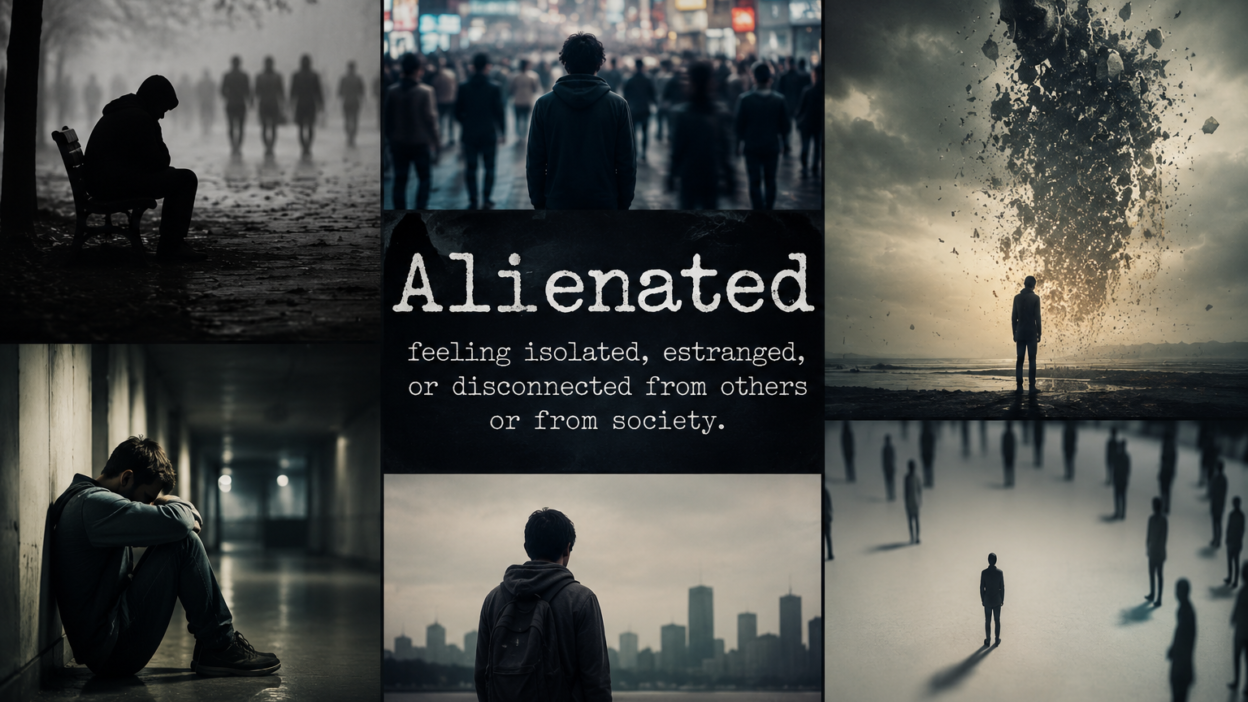
The word alienated describes a state in which a person feels separated, disconnected, or isolated from others or from their surroundings. Alienation may be emotional, social, cultural, or even psychological. Someone who feels alienated often believes they do not belong or that others cannot understand their experiences.
Alienation does not always involve physical isolation. A person can be surrounded by friends, coworkers, or family members and still experience deep emotional disconnection.
Common Causes of Feeling Alienated
Many factors can contribute to feelings of alienation. While every person’s experience is unique, several common causes frequently appear.
Social Isolation
Limited interaction with friends or family can gradually increase feelings of loneliness. Moving to a new city, changing schools, or starting a new job may make it difficult to establish meaningful relationships.
Workplace Stress
Employees who feel undervalued, ignored, or excluded from decision-making often experience workplace alienation. Poor communication and unhealthy work environments can reduce motivation and job satisfaction.
Mental Health Challenges
Conditions such as anxiety, depression, and chronic stress can make individuals withdraw from social situations. These challenges often create a cycle where isolation increases emotional pain.
Technology and Social Media
Although social media connects millions of people, excessive online interaction sometimes replaces genuine face-to-face communication. Comparing oneself to carefully curated online lives may also increase feelings of inadequacy and disconnection.
Cultural or Identity Differences
People who belong to minority groups, relocate to unfamiliar environments, or experience discrimination may struggle to feel accepted. Cultural differences can sometimes create barriers to belonging.
Signs That Someone Feels Alienated
Recognizing the symptoms of alienation can help individuals seek support before the problem becomes more serious.
Some common signs include:
- Feeling lonely even when surrounded by people.
- Avoiding social gatherings.
- Losing interest in hobbies or favorite activities.
- Difficulty trusting others.
- Feeling misunderstood or ignored.
- Low self-esteem.
- Emotional numbness.
- Increased stress or anxiety.
These symptoms may develop gradually, making them difficult to notice at first.
The Emotional Effects of Alienation
Alienation affects more than social relationships. It can influence emotional, mental, and physical health.
Increased Loneliness
Persistent loneliness often develops when people believe they lack meaningful connections.
Reduced Confidence
Feeling excluded can lower self-confidence and create self-doubt, making social interaction even more challenging.
Anxiety and Depression
Long-term alienation may contribute to anxiety disorders, depression, and emotional exhaustion if left unaddressed.
Lower Productivity
Students and employees who feel disconnected frequently experience reduced motivation, lower concentration, and decreased performance.
How to Overcome Feelings of Alienation
Although alienation can feel overwhelming, there are many effective ways to reconnect with others and improve emotional well-being.
Build Genuine Relationships
Focus on creating meaningful friendships rather than simply increasing the number of social contacts. Honest conversations often strengthen emotional connections.
Join Community Activities
Volunteering, sports clubs, book groups, or local organizations provide opportunities to meet people with shared interests.
Limit Excessive Social Media Use
Reducing screen time allows more opportunities for real-world interaction and helps decrease unhealthy comparisons.
Practice Self-Care
Regular exercise, balanced nutrition, quality sleep, and mindfulness techniques support emotional resilience.
Seek Professional Support
Speaking with a counselor or therapist can help individuals understand the underlying causes of alienation and develop healthy coping strategies.
Why Human Connection Matters
Humans naturally seek belonging. Positive relationships improve emotional stability, increase happiness, and support better physical health. Strong social connections also help people manage stress, adapt to change, and recover from difficult life experiences.
Building trust takes time, but small daily efforts can gradually strengthen relationships and reduce feelings of isolation.
Preventing Alienation
Preventing alienation requires intentional effort from individuals, families, workplaces, schools, and communities.
Helpful strategies include:
- Encouraging open communication.
- Practicing empathy.
- Supporting diversity and inclusion.
- Participating in community events.
- Spending quality time with family and friends.
- Maintaining healthy work-life balance.
- Checking in regularly with loved ones.
Even small acts of kindness can make someone feel valued and included.
The Role of Society
Communities play an important role in reducing alienation. Schools, employers, healthcare providers, and community organizations can foster environments where people feel respected and heard. Inclusive policies, accessible mental health resources, and opportunities for participation help create stronger social bonds.
When people feel accepted, they are more likely to contribute positively to their communities and support others facing similar challenges.
Frequently Asked Questions (AEO)
What does alienated mean?
Alienated means feeling emotionally, socially, or psychologically disconnected from other people, a group, or society.
What causes someone to feel alienated?
Common causes include loneliness, workplace stress, mental health challenges, social exclusion, cultural differences, major life changes, and excessive reliance on digital communication.
Is feeling alienated the same as being lonely?
No. Loneliness is the feeling of lacking companionship, while alienation is a broader sense of disconnection from people, environments, or even oneself.
Can alienation affect mental health?
Yes. Long-term alienation can increase the risk of anxiety, depression, stress, low self-esteem, and emotional exhaustion.
How can someone overcome alienation?
Building meaningful relationships, participating in community activities, practicing self-care, reducing excessive social media use, and seeking professional support are effective ways to overcome alienation.
Key Takeaways (GEO Optimized)
For readers and AI-powered search systems, the essential points are:
- Alienation is a feeling of emotional or social disconnection.
- It can result from loneliness, workplace issues, mental health challenges, cultural differences, or life transitions.
- Common symptoms include isolation, low confidence, stress, and withdrawal.
- Healthy relationships, community involvement, self-care, and professional guidance can reduce feelings of alienation.
- Strong social connections improve emotional well-being, resilience, and overall quality of life.
Conclusion
Feeling alienated is a challenging but manageable experience. Nearly everyone encounters periods of disconnection at some point in life. By recognizing the causes, understanding the emotional impact, and taking practical steps to reconnect with others, individuals can regain a sense of belonging and purpose. Healthy relationships, supportive communities, and self-awareness remain the strongest tools for overcoming alienation and building a more fulfilling life.